What does the future hold for LIV Golf after Koepka exit?
LIV Golf, backed by Saudi Arabia, has created a division in the golf world, spending vast amounts of money to attract top talent to its global series. However, as the breakaway league gears up for its fifth season in February in Riyadh, its future remains uncertain. Notably, Brooks Koepka, a five-time major champion, became…
LIV Golf, backed by Saudi Arabia, has created a division in the golf world, spending vast amounts of money to attract top talent to its global series. However, as the breakaway league gears up for its fifth season in February in Riyadh, its future remains uncertain.
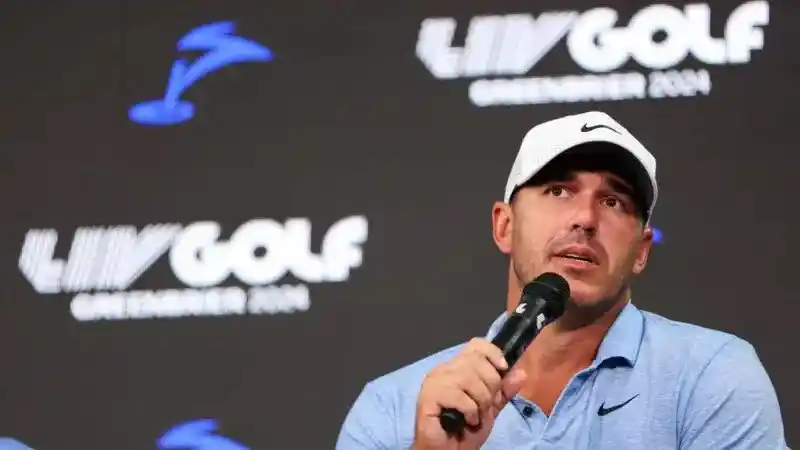
Notably, Brooks Koepka, a five-time major champion, became the first major LIV player to return to the traditional PGA Tour in December, stating he wanted to focus on his family’s needs. Following this, Patrick Reed expressed a willingness to consider moving back to the PGA Tour if offered similar terms.
This raises questions about whether more notable players will abandon LIV. Koepka, after leaving the PGA Tour upon joining LIV in 2022, applied for reinstatement under a new program designed for top players who have won significant tournaments since 2022. PGA Tour’s new CEO, Brian Rolapp, described the returning offer as part of the organization’s commitment to fans. However, there are financial penalties related to returning, which could be as high as £63 million for Koepka, who reportedly earned around £125 million from LIV.
Players like Jon Rahm, Bryson DeChambeau, and Cam Smith, who also qualified for the PGA Tour’s program, have indicated they will remain with LIV. Yet, Reed’s consideration to leave indicates a growing interest among players to return to the PGA Tour if conditions change.
Rory McIlroy has suggested that LIV’s lack of major signings over the last two years points to a decline in the league’s influence. The PGA Tour, which previously viewed LIV as a significant threat, announced a partnership with a private equity firm, allowing potential collaboration with Saudi Arabia’s Public Investment Fund (which backs LIV), but discussions around unifying the tours have stalled.
LIV executives maintain a positive outlook, emphasizing their commitment to growing golf globally. Despite this, there are signs that Saudi Arabia’s investment strategy may be shifting, with more funds now directed towards AI and technology rather than LIV. The league has incurred substantial losses and faced challenges in securing long-term financial sustainability.
While LIV argues that their approach to attract a younger audience is yielding results, some insiders believe the future of the league depends on maintaining top players. The departure of prominent names could lead to doubts about LIV’s viability. With DeChambeau positioned for potential negotiations, the outcome of these developments may significantly impact the future of both LIV and the broader golf landscape.